
Abu Dhabi property: reading the H1 2026 figures
Interpret ADREC’s H1 2026 transaction and foreign investment figures, with a clear distinction between market activity and individual returns.
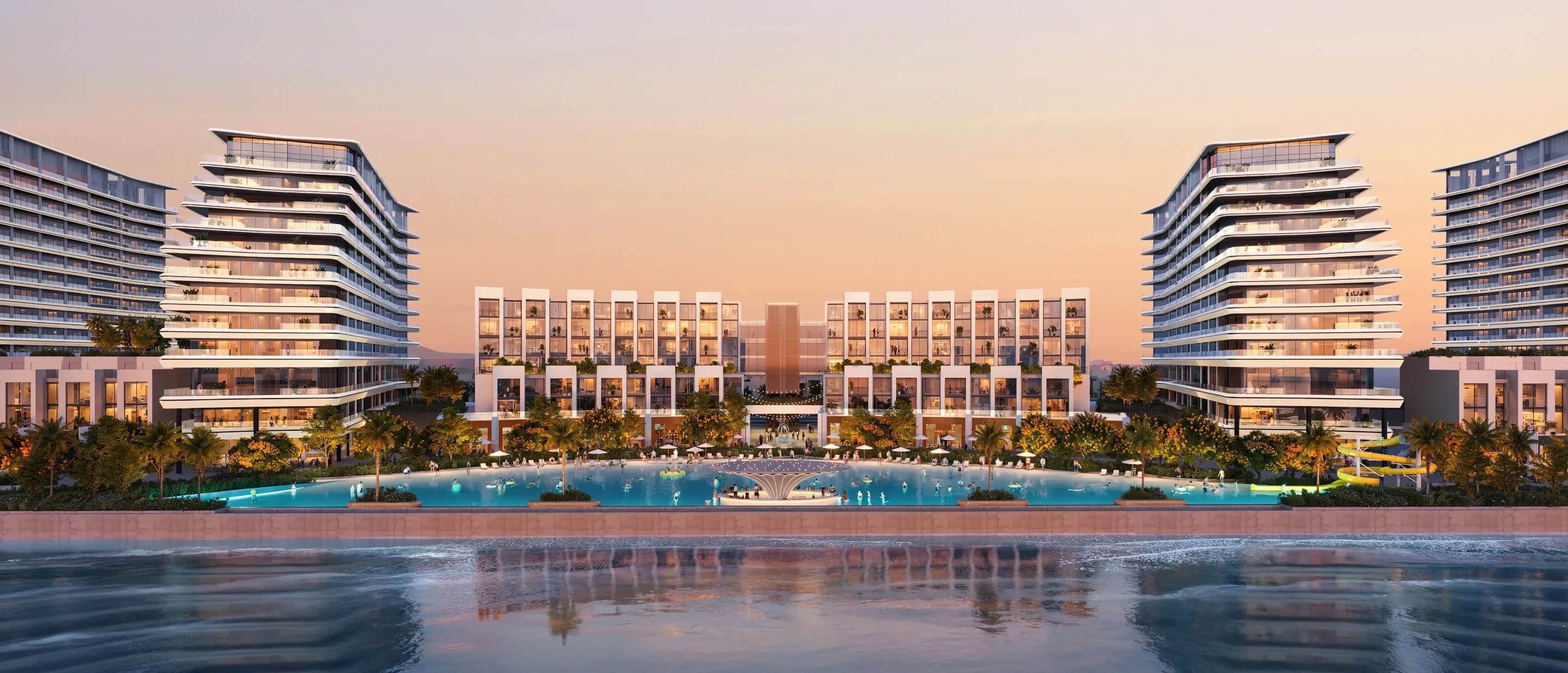
Abu Dhabi’s H1 2026 property figures show substantial transaction activity, but the different measures need to remain separate. Total transactions, sales and foreign direct investment do not describe the same pool of money or the return earned by an individual owner.
Use the official period and definition before comparing the figures with Dubai or with a particular development in Abu Dhabi.
What ADREC reported
In its 17 July 2026 release, the Abu Dhabi Real Estate Centre reported AED 117 billion in total real estate transactions during H1 2026. Within that, sales accounted for AED 86.1 billion and mortgages for AED 26.7 billion. ADREC also reported AED 13.8 billion in foreign direct investment, up 309% year on year.
The release covers the first half of 2026. Foreign direct investment is a distinct measure within the wider market picture; it should not be added to total transactions as though it were a separate additional market. Nor does its growth establish an equivalent increase in property prices.
Make comparisons with matching definitions

If comparing emirates, use the same period and transaction category. A Dubai sales figure and an Abu Dhabi all-transactions figure are not directly interchangeable. Our Dubai market-data guide explains the questions to ask about any headline total.
Then narrow the evidence to the location, property type, completion stage and intended occupier. A citywide increase can coexist with very different conditions in individual buildings or communities.
Verify the Abu Dhabi ownership route
The UAE Government’s property guidance distinguishes the rules applying in different emirates. For an Abu Dhabi purchase, confirm the exact investment area, registered interest, developer and applicable registration process with the competent local authority.
Do not apply Dubai fee schedules, DLD processes or a Dubai project-status result to an Abu Dhabi transaction. Ask for an itemised local completion budget and the documents required for your purchaser type.
Look beneath the investment narrative
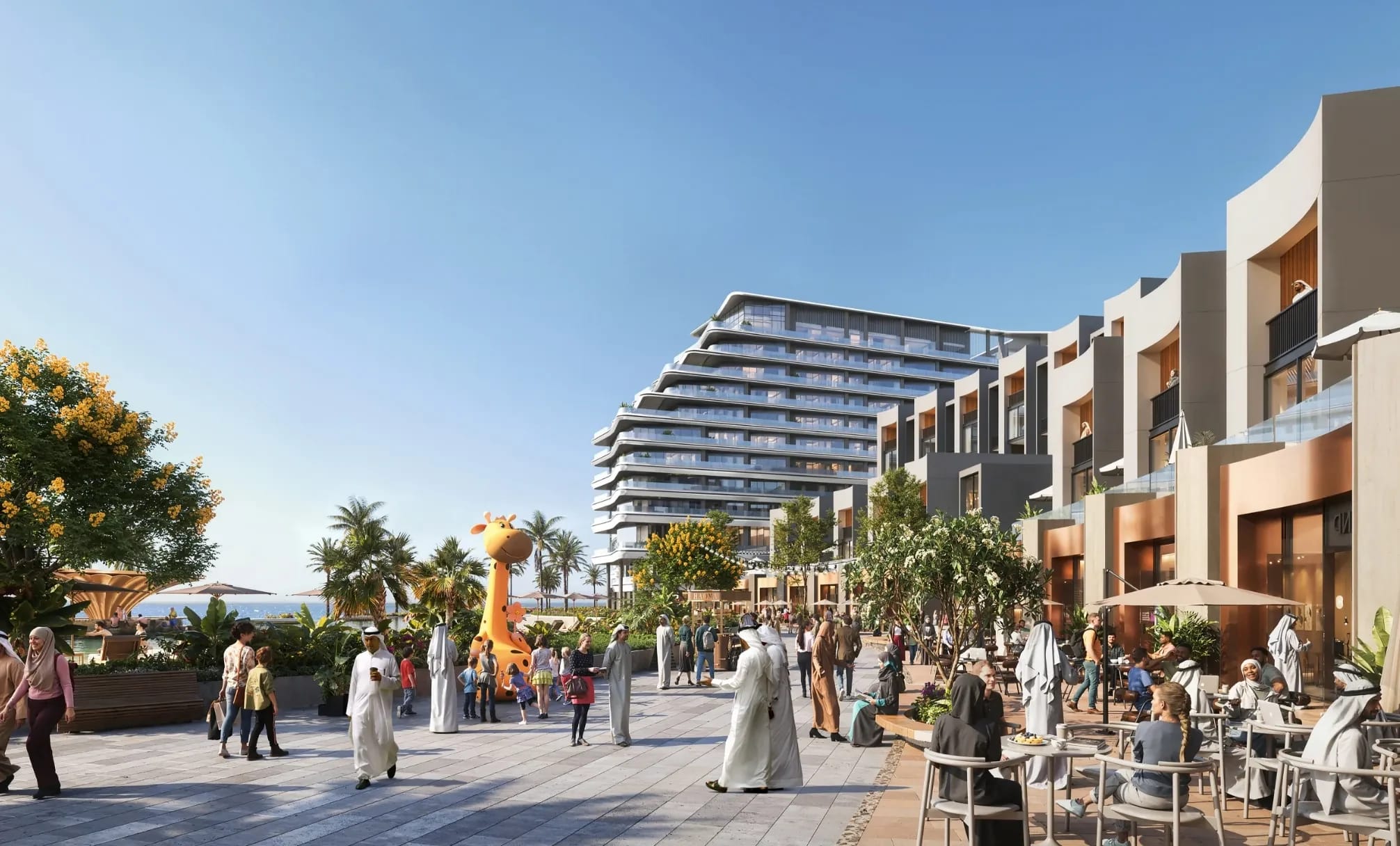
Define who would occupy your chosen property and why they would prefer it to alternatives. Examine access to employment, schools, services and daily amenities, along with layout, management and recurring costs.
If considering a new community, separate the development’s marketed future from the facilities available at your expected occupation date. The River Cove Residences project page is one named Abu Dhabi example to investigate; its illustration is not a photograph of the entire emirate or evidence for market-wide returns.
Turn market activity into a property-level test
Obtain comparable price evidence, a realistic rental assessment and an operating-cost estimate. Test a slower letting period and a delayed resale. The investment guide provides a framework for those scenarios. Strong aggregate activity is useful context, but the purchase should still stand on the specific asset, contract and budget you can verify.
Sources checked 2 October 2026. Images rechecked 5 October 2026. Captions distinguish developer renderings, community photographs and original Imperial Alfa guide graphics.