
Dubai 2040: what the master plan means for property buyers
Use Dubai 2040 to understand long-term planning direction, then verify the transport, amenities and approvals relevant to your exact property.

Published · Updated · 2 min read

Dubai 2040 is a long-term planning framework, not a completion schedule for every amenity beside every advertised property. It is useful for understanding the direction of urban development, provided buyers distinguish strategic objectives from approved, funded and delivered local projects.
The Dubai Municipality overview describes objectives including better use of infrastructure, accessible communities, parks and open space, environmental quality and coordinated planning. Those objectives provide context for a location; they do not guarantee the investment performance of a unit.
Read the plan at the appropriate scale
A citywide strategy helps explain how housing, transport, employment and services may be coordinated. A property decision requires more specific information: the exact plot, approved use, surrounding development and infrastructure relevant to daily life.
When a listing invokes “Dubai 2040,” ask which part of the official plan it refers to and how that relates to the property. Request the underlying document rather than accepting a broad claim that the whole district must appreciate.
Separate a proposal from a delivered benefit
For a transport link, park or school, identify the responsible authority or operator and the current project stage. A master-plan illustration, announcement, construction contract and operational facility are different kinds of evidence.
Avoid treating an estimated travel time as a fixed property feature. Walk or drive the route relevant to your daily schedule where practical. For future infrastructure, test whether the home remains suitable if the expected benefit arrives later.
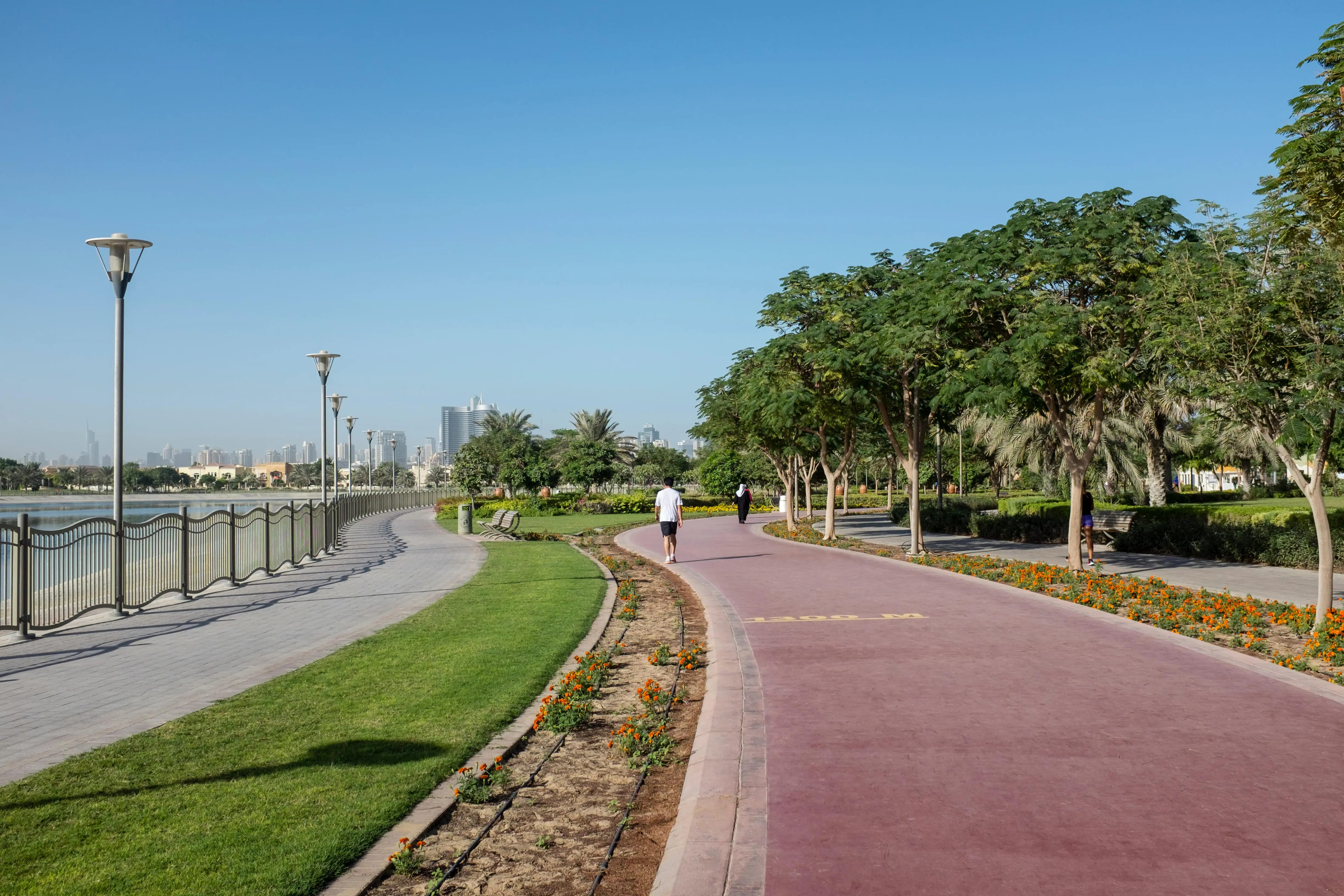
The cover photograph provides Dubai community context. It does not establish that a specific master-plan objective has been completed there.
Consider the development period as well as the destination
A growing district may gain amenities while also experiencing construction activity, changing road access and additional housing supply. Examine the sequence rather than looking only at the finished rendering.
Our Dubai Islands guide discusses this distinction for a developing waterfront district. The housing-supply review explains why announced units and completed homes should not be counted as the same thing.
Connect planning to a realistic investment case
Ask how a particular improvement would affect the occupier you expect to attract. Better pedestrian access may matter strongly to one tenant group, while school access or commuting routes matter more to another. Describe that mechanism instead of assuming every infrastructure project creates the same premium.
Compare the asking price with current alternatives. If a substantial future benefit is already reflected in the price, the buyer still carries the risk of timing and delivery.
Use the plan as a research starting point
Keep a file of the official planning reference, project-stage evidence and your own site observations. Review the buying-timing guide to test a delayed or weaker outcome. A long-term city vision is valuable context when paired with precise local evidence and a property you can afford to hold.
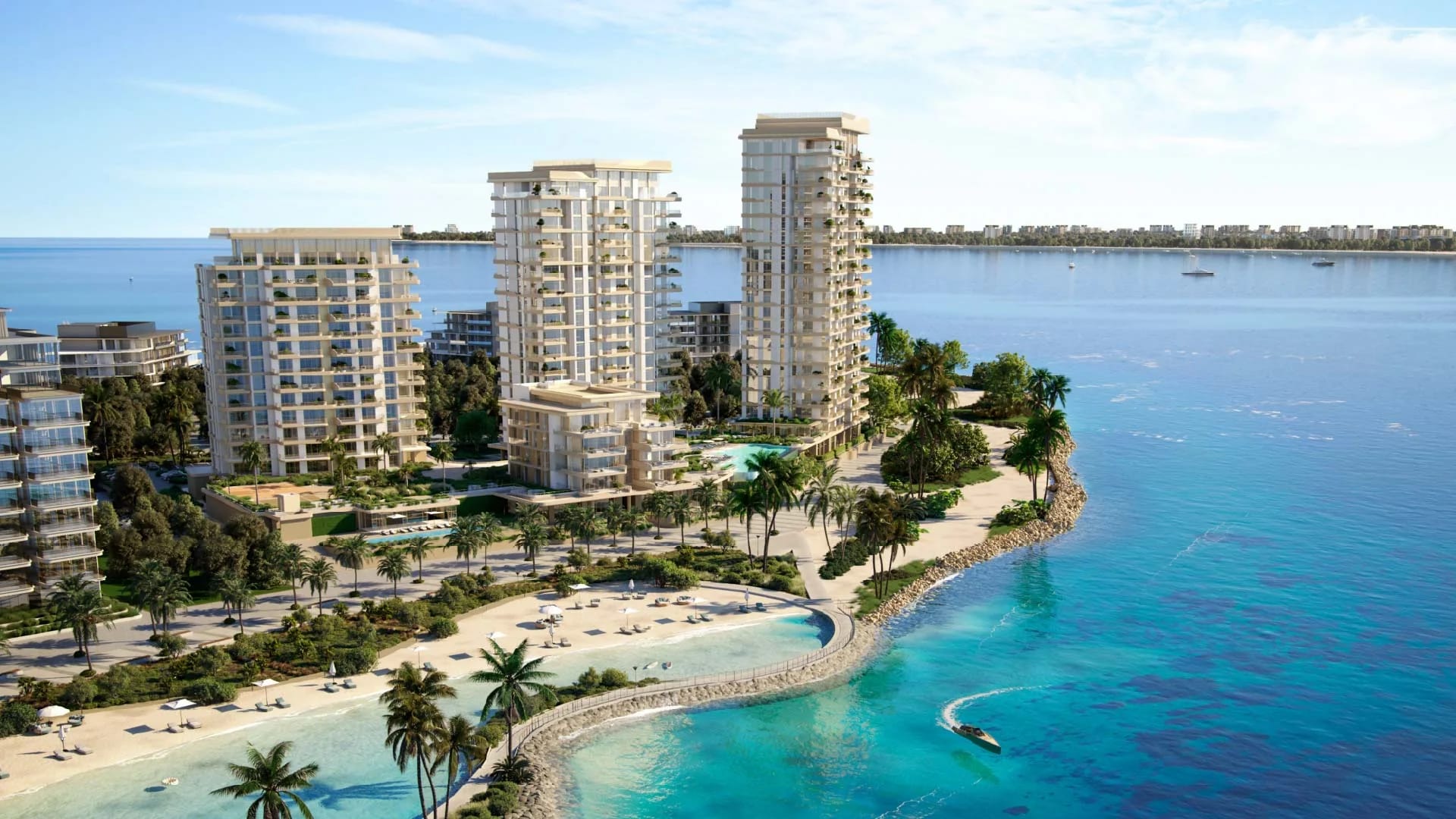
Sources checked 2 October 2026. Images rechecked 5 October 2026. Captions distinguish developer renderings, community photographs and original Imperial Alfa guide graphics.