
What are you really paying for in a waterfront view?
A balcony photograph cannot show the whole story. Here is how to read the view before you pay for it.
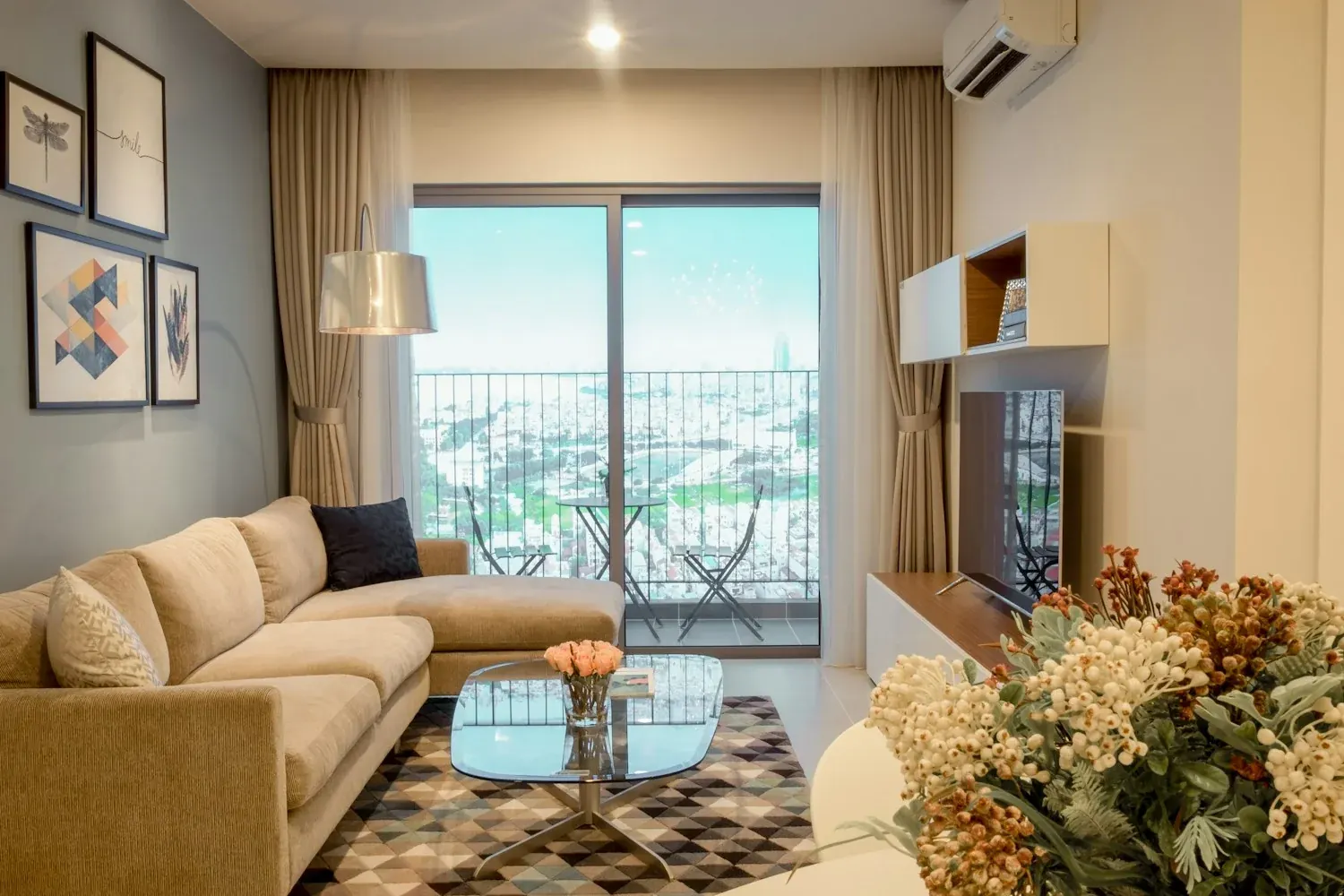
Begin inside the room
A listing’s best photograph is often taken from the best corner of the balcony. On a viewing, start somewhere less flattering: sit where the sofa or dining table would go. Can you still see the water? Is the view part of the room, or something you only enjoy standing outside?
Then check how the windows and balcony doors open. Think about the space you will use every day, including the position of furniture and whether neighbouring homes look into the room. The question is not simply whether there is a view, but how much it contributes to living there.
Ask what the description actually means
A canal outlook in Business Bay, a Creek-facing apartment and an open-sea view are different experiences. Even within one building, a side angle and a direct outlook should be compared separately. Ask for photographs from the exact unit and identify its floor and orientation.
For an off-plan home, request the unit location on the floor plan and the surrounding site plan. A sales rendering can explain a design, but it is not a photograph of the completed outlook. Record what is known and what remains dependent on future construction.
Water access is a separate benefit
You might love looking at water without having an easy route to it. Find the building exit you would use for a walk, then follow the route. In a beach location, ask which access arrangement belongs to the residence. In a canal location, check the path and crossings.
This distinction is particularly useful when comparing two homes at different prices. One might offer a wider view; another might put your favourite walking route a few steps from the entrance. Decide which you will use more often.
Visit at the time you will use it
If you picture evening meals on the balcony, return around that time. Check sunlight, glare, privacy and the sounds from roads or nearby venues. The attractive blue-hour photograph may not answer those questions.
Ask about neighbouring plots and proposed works, and seek documentary support for any promise about future views. If something cannot be established, leave it as an uncertainty in your comparison.
Put a number on your preference
Compare otherwise similar homes, keeping size, condition and floor in view. Work out the extra asking price for the outlook, then decide whether it is worth that amount to you. Do not assume a future buyer will value it in exactly the same way.
A useful note after the viewing is one sentence: “I would pay more for this because…” If the answer describes something you will actually enjoy, you have a clearer basis for the decision than the word “premium”.
Let’s find your next home.
Talk to Imperial Alfa