
How to leave a viewing with answers
A useful property shortlist starts with observations you can compare—not a camera roll of impressive rooms.
Take the same brief to every viewing
Before the first appointment, write down your required move-in date, budget and three non-negotiables. Be specific: a desk in a separate room, space for a pushchair or a route to work you can tolerate. “Nice layout” is too vague to compare after a long day of viewings.
Choose a small group of genuinely suitable properties. Give each one a row in a simple comparison sheet: exact unit, asking price, usable space, recurring costs, availability and the main drawback. Leave missing answers blank instead of filling them with assumptions.
Follow the route you would use at home
Arrive through the normal entrance. Try the path from parking to the lift and from the lift to the apartment. Notice the things the listing rarely shows: corridor condition, delivery arrangements and the space around a parked car.
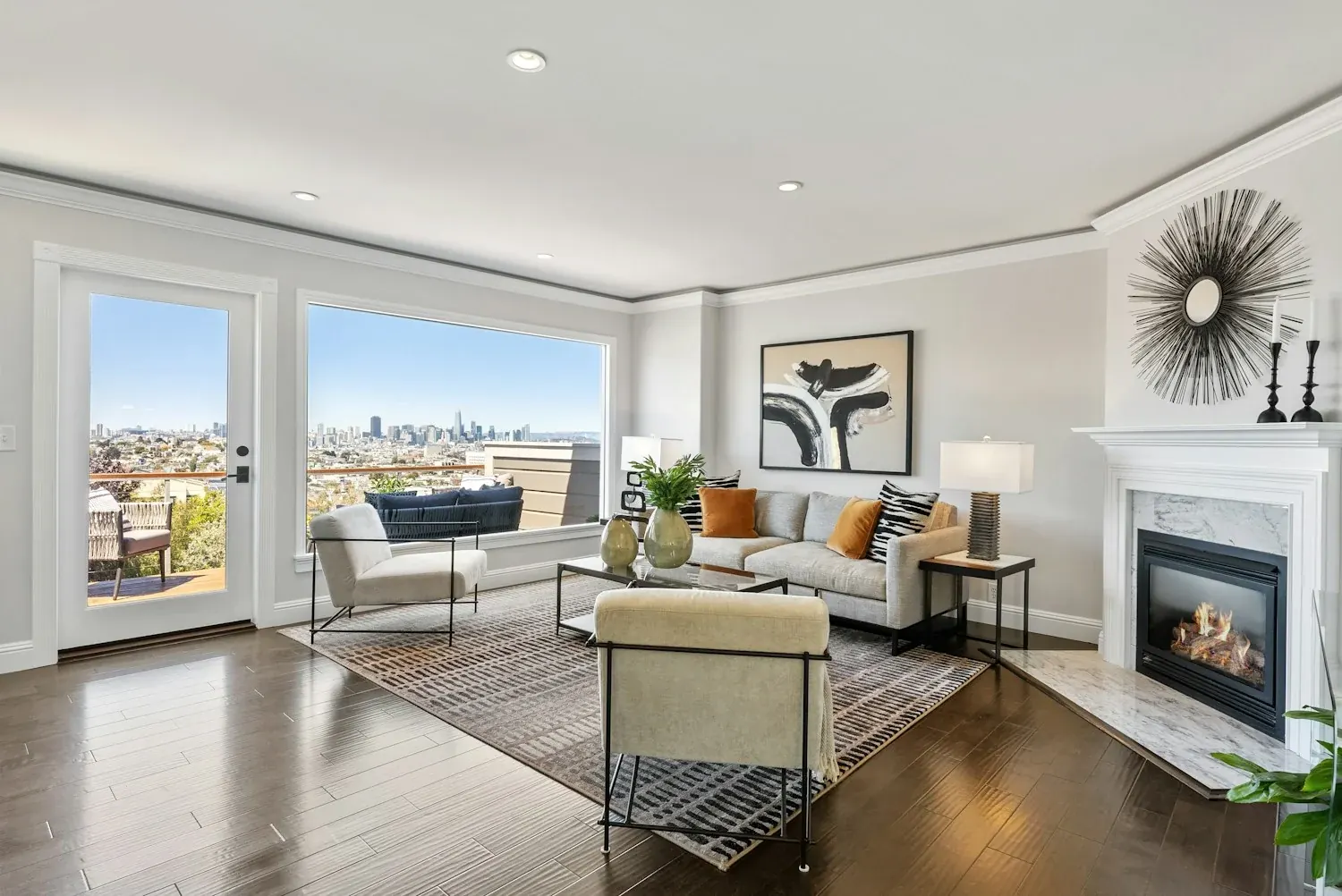
Inside, follow an ordinary morning. Where would you get ready, store luggage, dry laundry or work? Open cupboards and check room dimensions against your own furniture. A wide-angle photograph can make these questions easy to overlook.
Give the location its own appointment
After seeing the unit, walk to an everyday destination. In Business Bay that might be the Metro route or Bay Avenue; at Creek Harbour it might be the waterfront and a grocery shop. On an island shortlist, check the drive for errands as well as the route to the beach.
Use the journey you will actually make. A map distance between two landmarks does not include the building exit, crossings or parking at the other end. If transport is a deciding factor, repeat the journey at the relevant time.
Separate what you saw from what you were told
Keep two short columns: observed and still to confirm. You may have seen the pool, but still need to confirm access terms. You may have been told a parking space is included, but still need it identified in the documents.
Ask for the current service-charge information, the items included in the sale and the proposed timing. Where costs or terms remain unclear, request a written breakdown rather than comparing an estimate with another property’s confirmed figure.
Make the final comparison while it is fresh
After each visit, write the best reason to buy and the strongest reason to hesitate. Add a few photographs with permission, labelled by unit, so features do not blur together later.
At the end, remove homes that fail a genuine requirement. Revisit the strongest options to resolve the remaining questions. A useful shortlist gets smaller as your evidence improves; it should not keep growing because each new listing has a better photograph.
Let’s find your next home.
Talk to Imperial Alfa